
When it comes to breakfast, eggs reign supreme. They’re versatile, loaded with protein and keep you feeling full for hours. Plus, they’re affordable again thanks to the end of “eggflation.”
However, eggs can be polarizing. Many people find the texture, taste and smell unappetizing. So if you can’t stand eggs, you’re not alone.
For egg haters, the search for high-protein breakfast ideas may feel daunting when every other recipe is an omelet or scramble.
Fortunately, there are plenty of nutritious, protein-packed foods you can enjoy for breakfast instead, according to dietitians.
High-Protein Breakfasts for People Who Hate Eggs
If you’re looking to get more protein in the morning, eggs aren’t the only option. Two servings (two large eggs) have about 12 grams of protein. It’s a solid amount, but most people should aim to get a bit more protein during breakfast to meet their needs.
The average, healthy adult needs between 1.2–1.6 grams of protein per 1 kilogram of body weight per day (about 0.54–0.73 grams per pound), according to the latest 2026-2030 Dietary Guidelines.
For a 150-pound person, that equates to around 80–109 grams of protein in one day.
If you break down the protein math, it comes out to about 20-40 grams of protein at every meal, according to Natalie Rizzo, dietitian and TODAY.com nutrition editor.
There are plenty of delicious foods that offer more protein than an egg, plus gut-healthy fiber and other nutrients.
“There’s no rule that says your first meal of the day has to be breakfast food,” Rizzo tells TODAY.com.
Cottage Cheese and Fruit
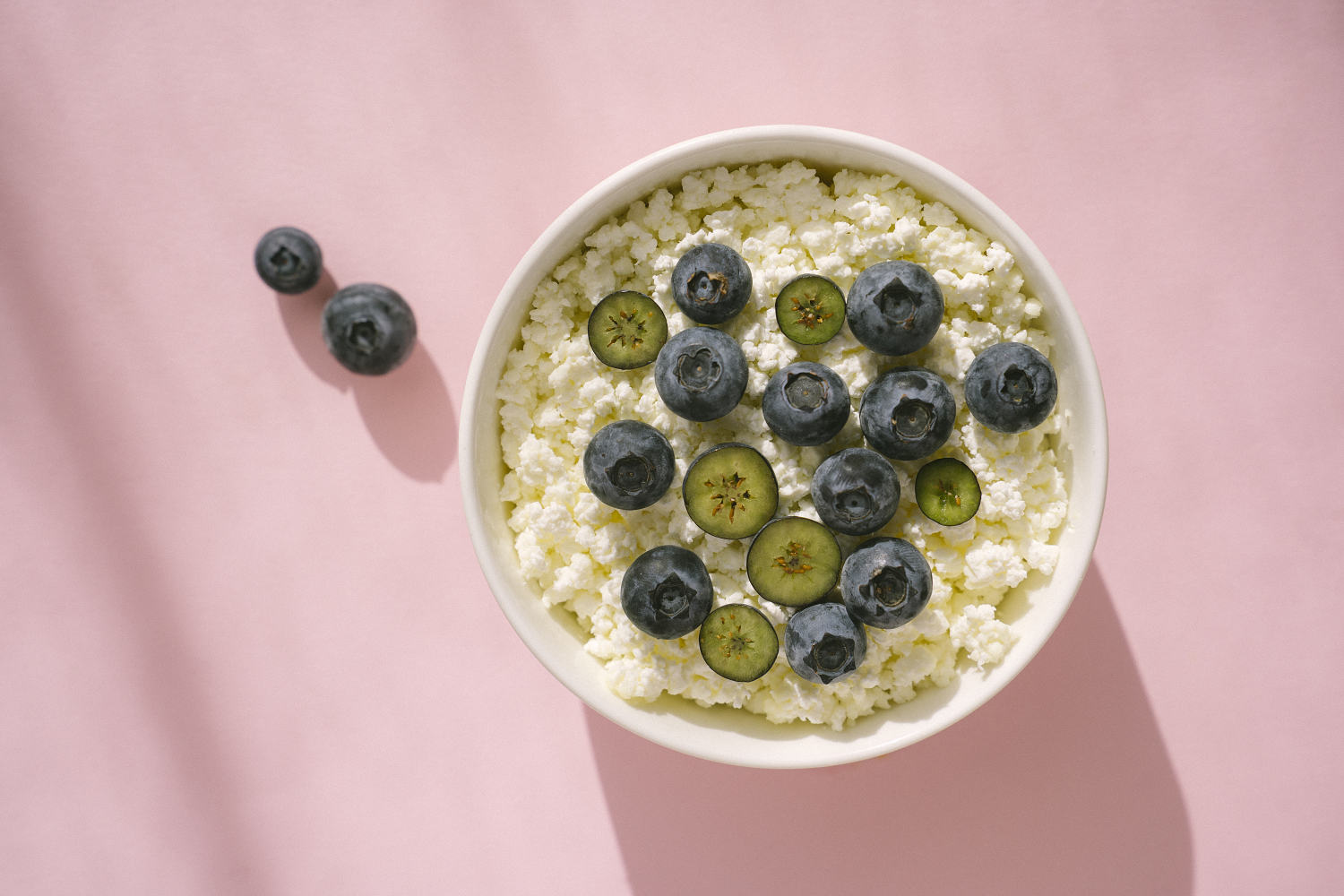
Cottage cheese is having a well-deserved moment. The creamy, soft cheese, made by acidifying milk to separate the curds from the liquid whey, is loaded with filling protein, but relatively low in fat and calories.
Cottage cheese is one of the healthiest cheeses you can eat. “It’s (also) one the most protein-rich dairy foods available,” Rizzo says.
One serving, about a half-cup, of low-fat (2%) cottage cheese packs 12-14 grams of protein for just 90 calories.
In addition to protein, it provides calcium, an essential mineral which supports bone density and is especially important for women over the age of 50, says registered dietitian and author Frances Largeman-Roth.
Cottage cheese can be topped with berries for added fiber or nuts for even more protein, and blended into a creamy spread for toast.
Chia Pudding
If you’re looking for a breakfast full of protein and gut-healthy fiber, try chia pudding.
Chia seeds are tiny, but they offer an impressive amount of nutrients. Along with plant-based protein, you’ll get fiber, omega-3 fatty acids, and essential minerals and antioxidants.
When soaked in liquid, chia seeds absorb several times their weight, according to Rizzo. The fiber-rich outer coating of the seeds expands into a thick, gelatinous layer. Together, the soaked chia seeds form a pudding-like gel.
One serving (about two tablespoons) of chia seeds provides about 6 grams of protein and a whopping 10 grams of fiber. But making the chia pudding with soy milk or greek yogurt boosts the protein content even higher, says Rizzo.
The combination of protein and fiber keeps you full and also slows down digestion, which stabilizes blood sugar to curb mid-morning hunger.
Rice and Beans
If you aren’t a fan of stereotypical breakfast foods, rice and beans are a simple and delicious option. Rice and beans make a hearty meal full of plant-based protein, fiber and complex carbohydrates to fuel your body for the day.
All beans are nutritious, but black beans are among the legumes with the most protein and fiber.
One-half cup of cooked black beans provides about 8 grams of protein and 8 grams of fiber. Compared to white rice, brown rice is the more nutritious option, offering 5 grams of protein and 3 grams of fiber per serving, TODAY.com reported previously.
The fiber and slow-digesting carbohydrates keep you feeling full and energized, says Rizzo, and the protein can help support muscle growth.
Black beans and brown rice will also provide B vitamins, along with iron, magnesium and plenty of antioxidants.
Whipped Tofu
Tofu is Rizzo’s favorite plant-based protein to curb hunger, promote muscle growth and boost bone density.
You may be used to eating it cubed or scrambled, but tofu can also be blended into a smooth, creamy spread. Simply add the tofu to a food processor with a splash of water or oil, and in a few minutes you’ll have a dairy-free ricotta substitute.
One half-cup of whipped firm tofu provides about 21 grams of protein, making it an exceptionally filling option for breakfast.
Tofu doesn’t taste like much, but that also makes it versatile and customizable. Whipped tofu can be topped with savory vegetables or fruit and honey. Smear it on bagels or toast.
Chicken Sausage
If you love breakfast meats but want to cut back on the sodium and saturated fat, chicken sausages are a slightly healthier option than pork bacon, according to Largeman-Roth.
Three breakfast-size links of the average chicken sausage (about 60 grams total) provides about 12 grams of protein.
Chicken sausages are a favorite high-protein breakfast option for Julia Zumpano, a registered dietitian with the Cleveland Clinic’s Center for Human Nutrition.
Zumpano likes to pair chicken or turkey sausages with a tangy greek yogurt ranch dip for extra protein and nutrients.
Smoked Salmon
Fish for breakfast? Why not?
Smoked salmon or “lox” is packed with complete protein and healthy fats to keep you feeling satisfied, according to Largeman-Roth. The fatty fish provides all nine essential amino acids, plus plenty of omega-3s, which support heart and brain health.
One serving (about 3.5 ounces) of smoked salmon has about 18 grams of high-quality protein, plus about four grams of unsaturated healthy fats. Salmon is also rich in vitamin D, several B vitamins and selenium.
You can enjoy smoked salmon on its own alongside a few pieces of fruit or cottage cheese.
Smoked salmon also makes an easy, high-protein toast topping, Jennifer Nasser, Ph.D., registered dietitian and spokesperson for The Obesity Society, tells TODAY.com.
If you can’t find or splurge on lox, you can use canned smoked salmon, a healthy and high-protein option.
Oatmeal with Nut Butter
Oatmeal is a simple, heart-healthy breakfast dietitians love. Adding peanut butter or almond butter to a bowl of oatmeal makes it even more filling and nutritious.
“I love nut butters for their flavor, protein and also their heart healthy fats,” says Largeman-Roth.
A half cup of old-fashioned oats, which cooks into one cup of oatmeal, provides 5 grams of protein and 4 grams of fiber. One serving of the average nut butter contains about 6-7 grams of plant protein per two tablespoon serving, says Largeman-Roth.
Oatmeal is rich in insoluble fiber, which acts like a scrub brush in the digestive tract and prevents constipation. It’s also high in soluble fiber, which dissolves into a gel that slows digestion and stabilizes blood sugar.
Adding nut butter is an easy way to increase the protein and healthy fat content of oatmeal.