
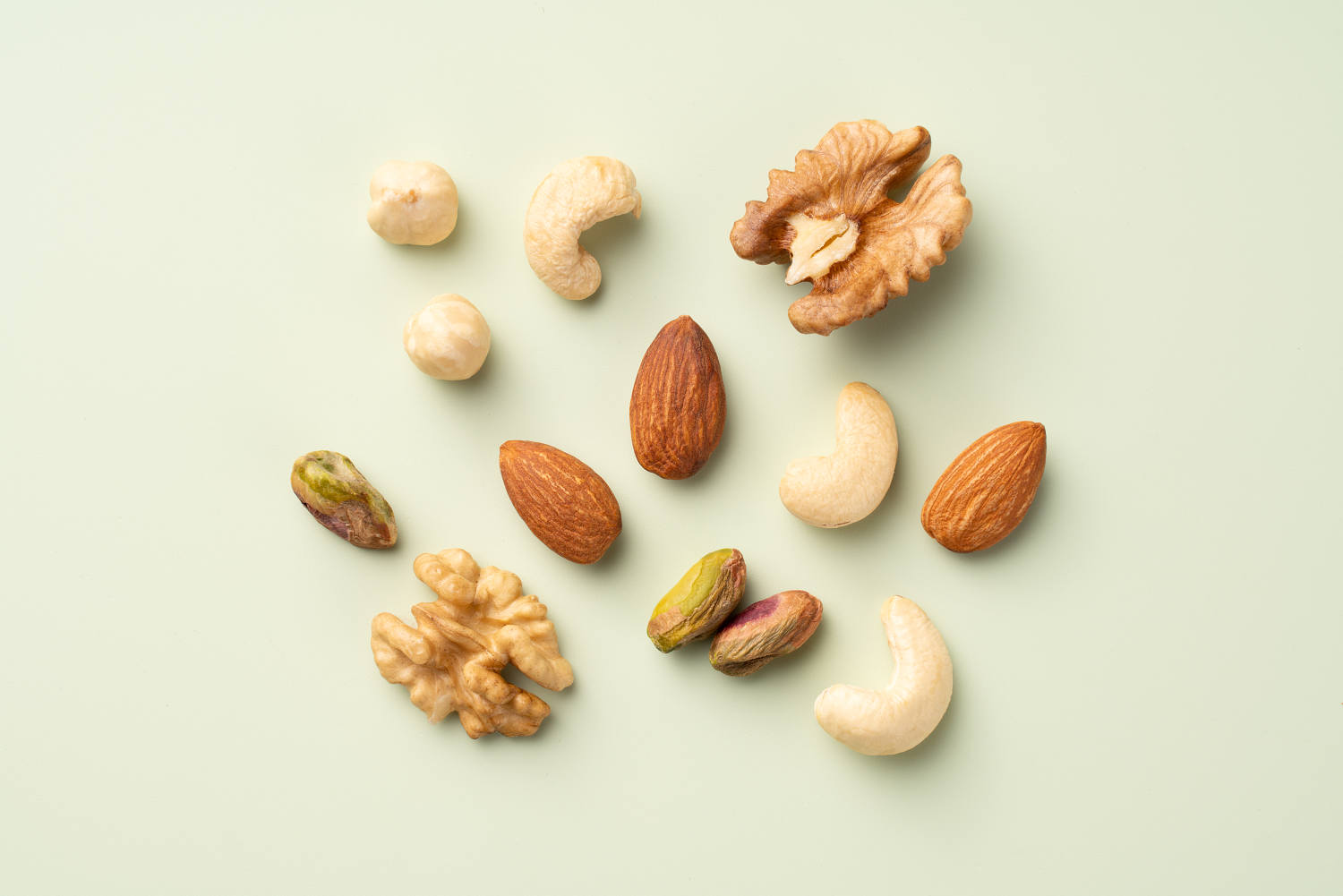
Nuts are one of the most popular snack foods, and for good reason. They’re delicious, nutrient-dense and portable. Plus, there’s dozens of varieties to choose from.
Botanically, nuts are considered dry fruits that are enclosed in a hard shell with a protective husk, according to the U.S. Department of Agriculture.
Nuts have an exceptionally high fat content and tend to be higher in calories, which is why they can sometimes get a bad rap.
“I think over time that has given the nuts this label. Just because they’re energy-dense doesn’t make them inherently unhealthy. They are also very nutrient dense,” Shannon Stockero, dietitian and spokesperson for The Obesity Society, tells TODAY.com.
“Nuts are one food that most Americans could afford to prioritize or include more of in their diet,” says Stockero. That’s because nuts offer a range of impressive health benefits.
Benefits of Nuts
Nuts are little nutritional powerhouses.
They’re rich in healthy, unsaturated fats, which are beneficial for heart and brain health, Stockero notes. The polyunsaturated and monounsaturated fats in nuts can also help lower bad cholesterol.
Nuts are a good source of plant-based protein, offering around 4–6 grams per serving, says Natalie Rizzo, registered dietitian and TODAY.com nutrition editor.
They’re also rich in fiber, which is important for gut health, Stockero adds.
The trifecta of fats, protein and fiber in nuts helps with fullness, provides steady energy and makes meals and snacks more satisfying, Rizzo explains.
“Replacing foods high in sources of unsaturated fats, like nuts, can help improve cholesterol levels and support cardiovascular health,” Rizzo explains.
Nuts are also rich in vitamins, minerals and antioxidants, although the exact nutrients vary by type, Rizzo notes. For example, almonds are high in vitamin E, and Brazil nuts are packed with selenium.
There aren’t many downsides to eating nuts. However, nuts are one of the top food allergens in the U.S. “Nut allergies can be very serious, so that’s something to be aware of,” Rizzo adds.
Is It Healthy to Eat Nuts Every Day?
Yes, you can enjoy nuts daily, the experts say. “A serving of nuts every day can be part of a very healthy diet,” says Rizzo.
Routinely eating nuts provides you with a consistent intake of unsaturated fats, protein, vitamins minerals and antioxidants, says Stockero. The habit may also protect your health.
In a 2022 study published in Advances in Nutrition, researchers found that eating 28 grams of nuts per day was associated with a lower risk of heart disease and death from all causes.
No matter what time of day, nuts are a healthy choice. “I like them as a snack because the combination of protein, fiber and healthy fat keeps me satisfied between meals,” says Rizzo.
Nuts can also boost the nutrient content of any meal. Sprinkle the nuts onto yogurt or oatmeal, use them as a garnish for salads and grain bowls or add them to baked goods.
If you’re eating nuts every day, the dietitians recommend keeping a few things in mind:
Pay Attention to Portion Size
“A good general serving for nuts is about one ounce (28 grams), or a small handful,” says Rizzo.
The exact number of nuts per serving varies depending on the type, Rizzo adds — 23 almonds, 18 cashews or 14 walnut halves, for example. “You don’t have to count out every nut you eat,” says Rizzo — just try to stick to about one ounce.
A small portion of nuts contains quite a few calories, so if you’re eating several large handfuls, those add up quickly, Rizzo notes.
“That doesn’t make nuts ‘fattening’ or something to avoid, but you do want to be mindful of portions, especially when you’re eating straight from a large container,” says Rizzo.
Sticking to the portion size can ensure you’re getting the benefits from nuts without dramatically increasing your calorie intake, Stockero adds.
It can be easy to overeat nuts from a large jar or bag. That’s why Stockero recommends opting for individual packs of nuts with one serving size or pre-portioning the nuts yourself.
Opt for Unsalted
If you’re eating nuts regularly, consider opting for unsalted varieties. “For an everyday option, I recommend raw or dry-roasted nuts with minimal added ingredients,” says Rizzo.
That’s because salted nuts can be very high in sodium, which most Americans should be trying to cut back on. “Nuts are one food that can quickly add up in the sodium category,” says Stockero.
Honey-roasted or candied nut also contain a lot of added sugar, Rizzo adds.
If salted or seasoned nuts are the only kind you enjoy, it’s OK to eat them in moderation. However, Rizzo recommends being mindful of the ingredients, and choosing nuts with the least sodium, sugar and additives.
Switch Up Your Nuts
If you want to reap the health benefits of nuts, switch up the type you’re eating on a daily basis, the experts note.
All nuts provide healthy fats, protein and fiber — but adding variety allows you to get different micronutrients, Stockero notes. Each nut is packed with a unique mix of vitamins, minerals and antioxidants.
“Maybe one day you have walnuts in your oatmeal, and the next day, you put almonds in your yogurt,” says Stockero.
Mixed nut blends are another easy way to get a variety of flavors, textures and nutrients.
The Healthiest Nuts to Eat Daily
All nuts are healthy options, but some offer a little more bang for your buck in the nutrient department.
These nuts stand out for their impressive protein and micronutrients, according to the experts:
Almonds
One of the most widely consumed nuts in the world, almonds are loaded with plant protein and other nutrients.
They’re among the highest-protein nuts you can eat, packing about 6 grams per serving. You’ll also get about 4 grams of dietary fiber to support gut health.
One ounce of almonds provides about 20% of the daily value of vitamin E, which acts as an antioxidant to fight inflammation.
“Almonds also have a good serving of calcium to support our bone health and immune system,” says Stockero.
Walnuts
Walnuts are also one of the healthiest nuts you can eat, says Stockero.
One serving of walnuts offers about 4 grams of protein and 2 grams of fiber, but they really stand out for their other nutrients.
“Walnuts are very high in plant-based omega-3 fatty acids, including alphalinolic acid (ALA), which can help lower systemic inflammation and support brain health,” says Stockero.
You’ll also get folate, an essential B vitamin, along with vitamin E an some magnesium.
Pistachios
These bright green nuts are another great option, says Stockero.
Pistachios pack about 6 grams of protein per serving along with 3 grams of gut-healthy fiber, which helps with satiety and curbing hunger. “They also tend to be lower in calories because they’re a little bit lower in fat,” says Stockero.
Pistachios also provide antioxidants, such as lutein, which can support eye health and cognitive function, the experts note.
Brazil Nuts
Brazil nuts are another top choice among dietitians for daily consumption.
They’re loaded with heart-healthy unsaturated fats and provide about 4 grams of plant protein per serving. But Brazil nuts really stand out for their micronutrients.
Just two nuts contain over 300% of the daily value of selenium, an essential trace mineral that helps with thyroid function and immune support.
One serving of Brazil nuts provides about 25% of the daily value of magnesium, which supports nerve and muscle function. Plus, they contain some iron, copper and manganese.
Peanuts
Peanuts are technically a legume, but they’re a nut in the culinary sense — and deserve an honorable mention.
They’re loaded with filling protein and healthy fats, which can keep you satiated between meals.
One ounce of peanuts provides about 7 grams of plant protein, plus a hefty dose of healthy unsaturated fats. Peanuts are also rich in B vitamins, which play a big role in energy metabolism, says Stockero.