
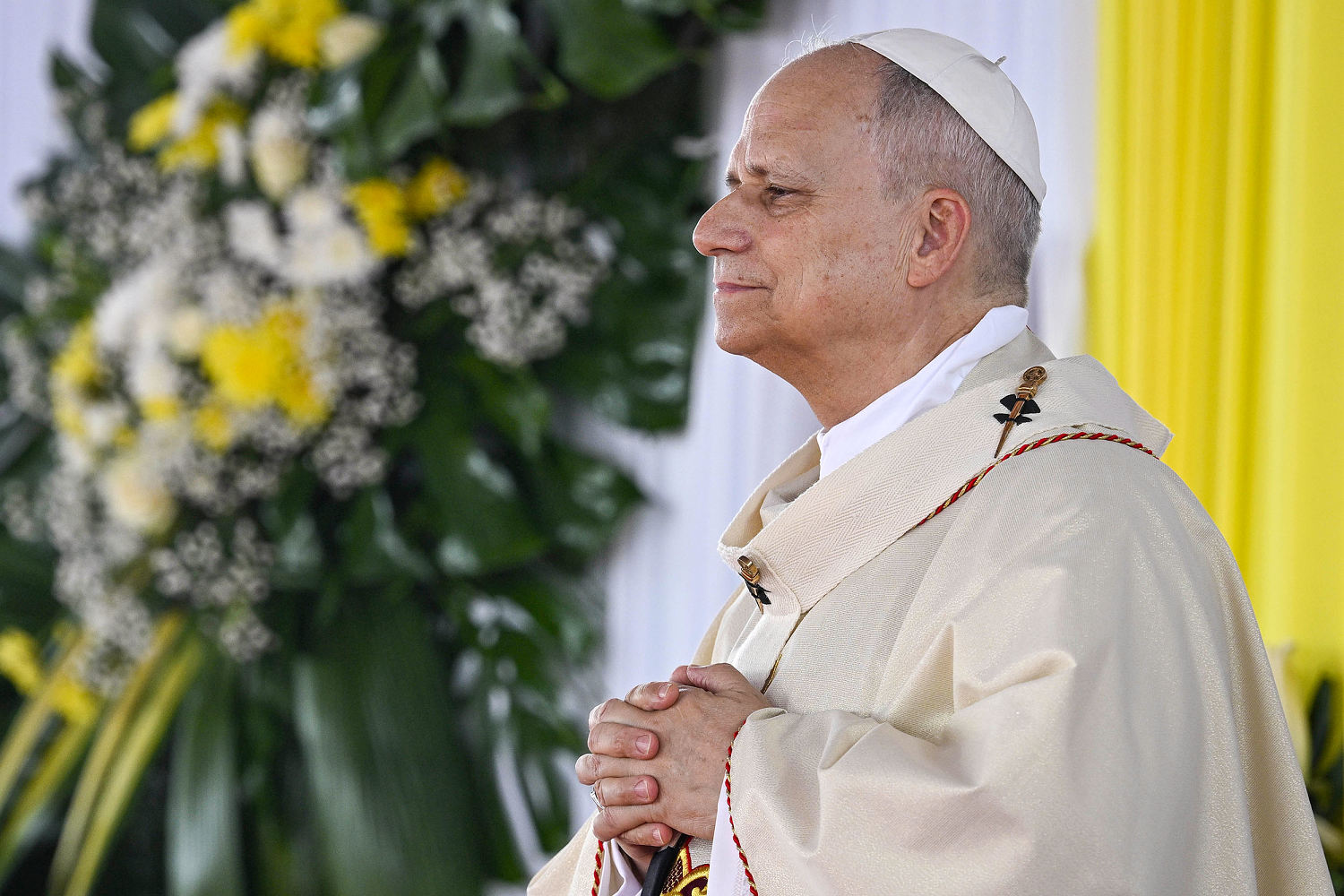
Pope Leo XIV said Sunday he will have surgery this week to remove an early-stage nodule on his lung.
The Vatican didn’t say what type of lung surgery the pontiff will undergo, but that the “small, localized nodule” was found in his lung during recent medical tests.
A lung nodule is a small mass of tissue detected through X-ray or CT scan screening. According to the American Lung Cancer, nodules can be caused by a number of factors, including irritants such as air pollution, diseases such as rheumatoid arthritis and cancer. They can also be caused by scar tissue from a previous infection.
Leo said the nodule was detected “at a very early stage.”
There are several approaches to surgery, depending on the size and location of the nodule and whether doctors suspect cancer, said Dr. Ankit Bharat, the chief of thoracic surgery at Northwestern Medicine.
Most nodules are benign, and it’s unclear whether the pope had a biopsy after the tests.
“When doctors decide to proceed directly to surgery rather than first obtaining a biopsy, it can suggest a higher level of concern on the lung scan,” Bharat said.
01:12
What to know about Pope Leo’s surgery to remove a lung nodule
00:0000:00
Lung cancer is more treatable if caught early. The deadly cancer is most often caused by cigarette smoking, but about 20% of lung cancer cases are diagnosed in people who have never smoked or used tobacco, according to the American Cancer Society.
However, finding a nodule on a scan doesn’t confirm a cancer diagnosis, Bharat said, and the surgery will reveal more information as doctors are able to put the nodule under a microscope.
Advances in the procedures mean they are generally less invasive and some patients begin walking within a day or two.
Vatican spokesman Matteo Bruni said in a statement Sunday that “the operation is scheduled for the first days of this week and the estimated post-operative recovery time will be about one week.”
If the nodule is larger and more lung tissue is removed, meaning the surgery is more extensive, it may be three to four weeks before a patient is fully recovered.
“Given the pope’s age, his recovery could be slower than that of a younger, otherwise healthy patient,” Bharat said. Leo is 71.
The pontiff has a major trip scheduled to Uruguay, Argentina and Peru in November. It’s possible he could make the trip, doctors suggest, if the surgery is minimally invasive and there are no surprise findings. If the nodule is cancerous, doctors will determine whether he can be treated while traveling or the trip may need to be postponed.