
Whether or not you eat meat, adding more plant-based protein to your diet has tons of benefits.
Not only will you hit those coveted protein goals a little more easily, but you’ll also be supporting your gut, heart and brain health by eating more nutritious plant foods.
“Adding plant-based protein to the mix can really improve the overall quality of (your) diet,” Natalie Rizzo, registered dietitian and TODAY nutrition editor, explained previously. These foods naturally contain fiber, vitamins, minerals and anti-inflammatory plant compounds that you won’t find in meat.
You don’t need to cut meat out of your diet completely to get those nutrient benefits, though. “Swapping in plant proteins a few times a week can make a meaningful difference,” Rizzo said.
To get plant protein at any meal, give these tasty, filling recipes a try.
As a busy dietitian and mom of toddlers, Rizzo says chia seed pudding is a breakfast staple in her home.
“Chia seeds may be tiny, but they’re packed with fiber, healthy omega-3 fats and plant-based protein,” she explains.
A 1-ounce serving of chia seeds, which is about 2 tablespoons, will net you around 5 grams of plant protein and 10 grams of fiber. And chia seed pudding is the easiest way to eat an entire serving of these small seeds.
“When soaked in liquid, they absorb several times their weight and develop a thick, creamy texture that resembles pudding,” Rizzo says. She likes to use soy milk to add even more plant protein, about 8 grams per cup, but any type of milk or non-dairy milk alternative will work here.
Her make-ahead recipe is especially tasty when topped with fresh fruit, chopped nuts, a drizzle of peanut butter or some crunchy granola.
If you’re new to the world of plant-based eating, Rizzo recommends reaching for beans as a particularly approachable and versatile protein source.
“They’re the easiest plant-based protein because they’re already in foods we know and love,” Rizzo explained previously, “like chili, tacos, hummus, soups and stews. And most people already like the taste and texture.”
On top of all that, beans are “affordable, shelf-stable and used in cultural dishes all over the world,” Rizzo said, “which makes them a natural first step into plant-based eating.”
A half-cup serving of black beans provides 8 grams of filling plant protein and about 7.5 grams of fiber.
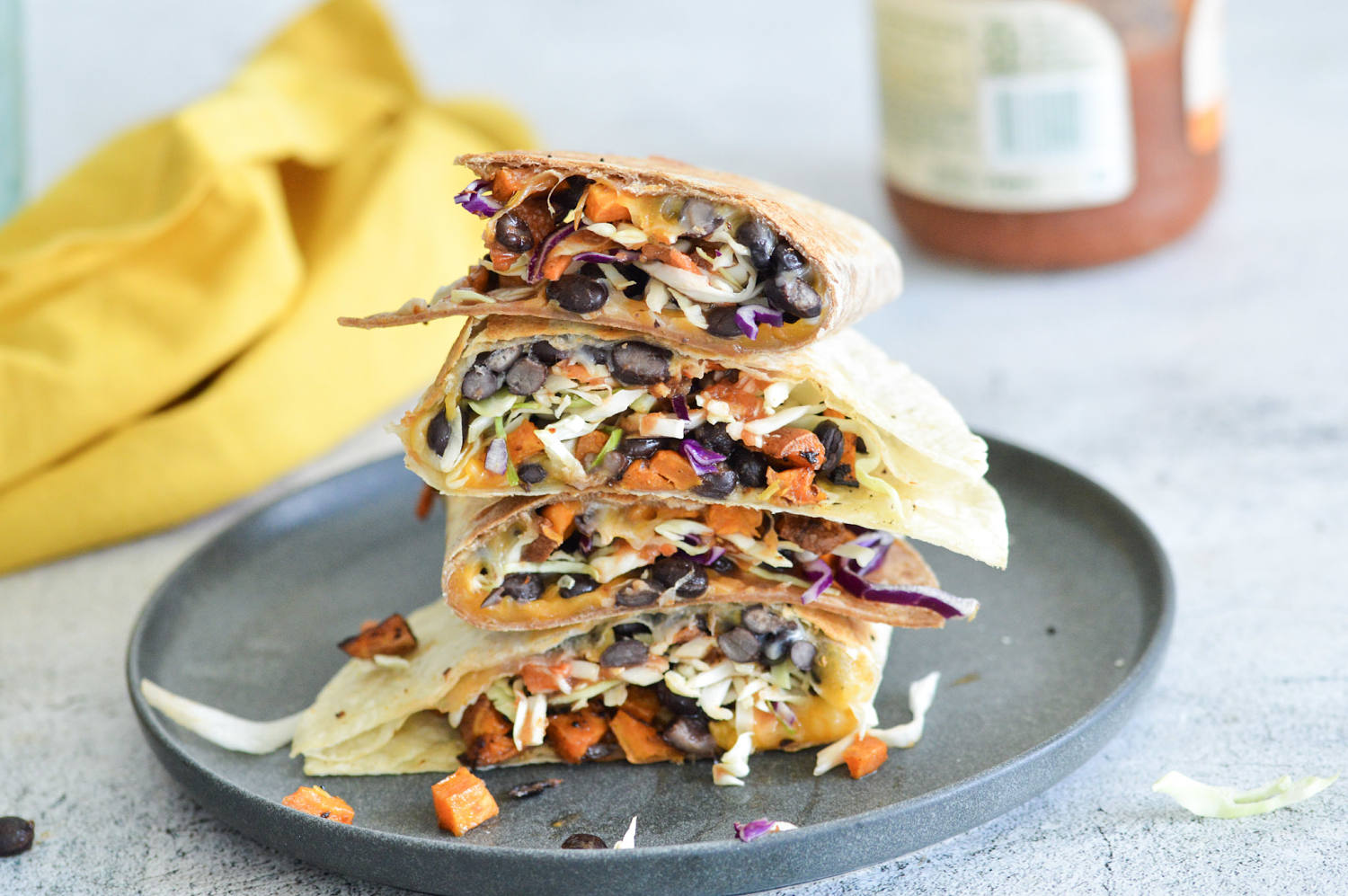
Her simple black bean quesadilla recipe gets a little more colorful thanks to the addition of sweet potato and shredded cabbage. Those ingredients also add a diversity of textures, flavors and nutrients.
When it comes to dinner, Rizzo leans on vegetables and another type of hearty bean.
“I’m always looking for simple ways to add more protein and fiber to everyday meals, and white beans are a versatile plant-based protein that adds creaminess to this simple pasta sauce,” she says. “Blending white beans into the pumpkin sauce gives it a thick, velvety texture without any heavy cream.”
As with black beans, white beans are rich in both plant-based protein and gut-healthy fiber. White beans are also high in calcium, folate, iron and potassium, TODAY.com explained previously.
To add even more plant protein, you could use a pasta made with whole-grain wheat, chickpeas or lentils.
Her recipe takes advantage of canned pumpkin to make a flavorful, veggie-infused pasta sauce without having to cook the vegetables. And, while the recipe does call for Parmesan cheese, you can swap that for nutritional yeast or a dairy-free cheese alternative to make the meal fully plant-based.
Snacks and Treats
Not only are plant proteins great ingredients to anchor your meals, but they’re also useful as filling, satisfying, nutritious snacks between meals.
Here are a few of Rizzo’s favorite plant-based protein snacks:
These simple recipes take advantage of plant proteins to keep you feeling full and energized. Try munching on these between meals, before a workout or for a midday treat.