
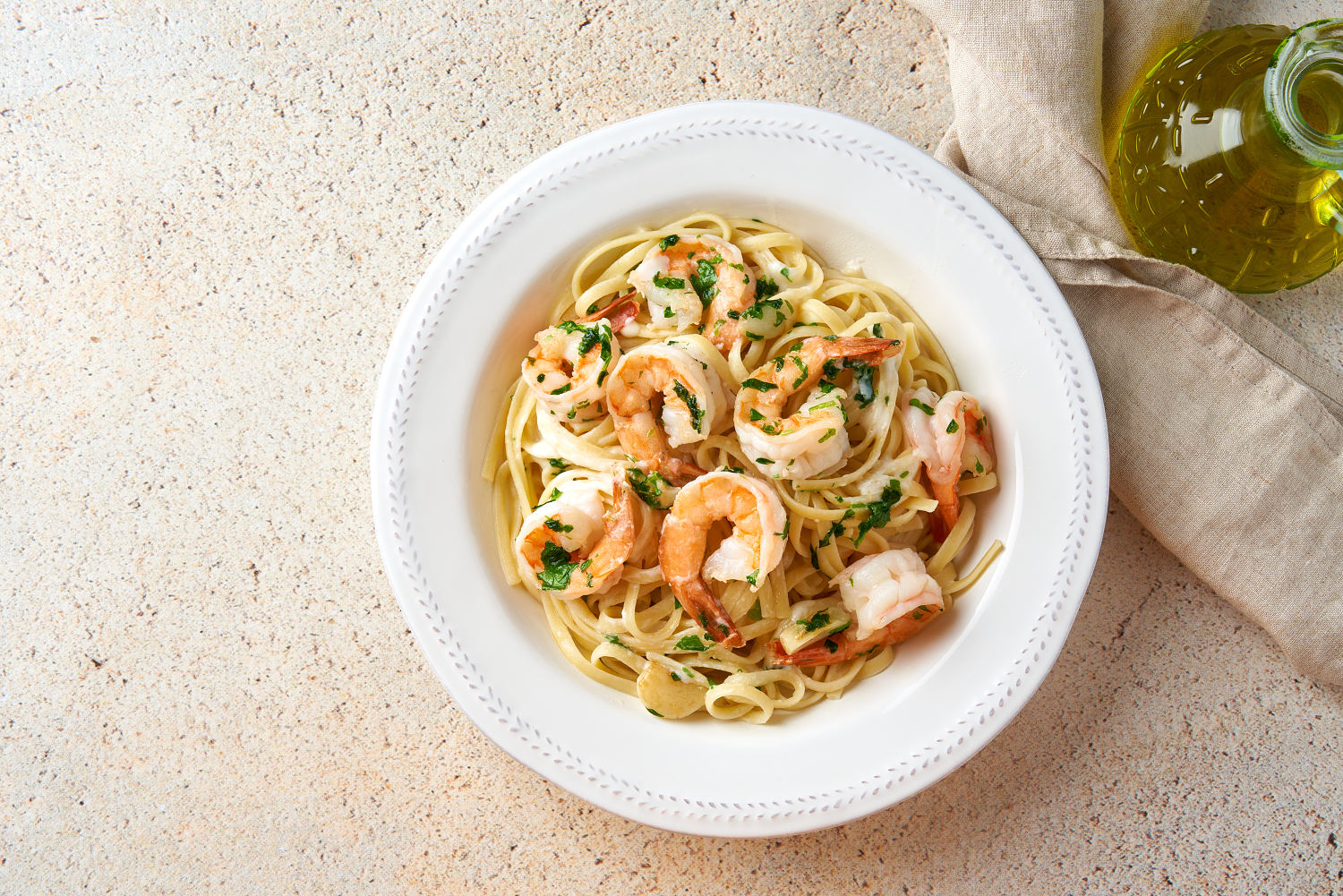
Pasta is one of life’s simple pleasures. It’s versatile, delicious and often fit for the pickiest of eaters.
However, this pantry staple can get a bad rap for being high in carbohydrates and less nutrient-dense than other whole grains.
In recent years, the better-for-you pasta market has exploded. At the grocery store, you’ll find countless high-protein, nutrient-fortified alternatives made with whole grains or legumes. There’s chickpea pasta, black bean pasta and brown rice pasta.
These are often marketed as being healthier than traditional pasta, which is made with durum semolina wheat.
However, many dietitians argue that there’s nothing inherently bad or unhealthy about regular pasta. And what you add to a bowl of pasta likely makes a bigger nutritional difference than the ingredients of the noodles, experts say.
Is Regular Pasta Good for You?
“Do not be afraid of pasta. Yes, it’s a carbohydrate, but it can still be a good addition to your diet and should not be avoided,” Sibylle Kranz, Ph.D., registered dietitian nutritionist and spokesperson for the Obesity Society, tells TODAY.com.
You can still enjoy regular pasta as part of a healthy diet — and many people do around the world.
“Pasta is an excellent ingredient and base for balanced, nutrient-rich meals,” Frances Largeman-Roth, registered dietitian and author, tells TODAY.com.
It’s a good source of carbohydrates, which are the body’s main source of energy, along with other beneficial vitamins and minerals.
“Regular enriched pasta is fortified with folate, iron, thiamin and riboflavin, which can help you meet your requirements for these micronutrients,” says Largeman-Roth.
Cooked wheat pasta also contains some resistant starch, a type of carbohydrate that gets fermented in the colon. “It acts like fiber in the gut, helping us to feel full,” Largeman-Roth adds. Cooling pasta after cooking can significantly increase the resistant starch content, so your leftovers may be even healthier.
When it comes to pasta, moderation is key, Kranz says. It’s important to stick to the recommended serving size, which varies depending on the pasta shape.
The Healthiest Pasta Toppings
What you put on top of pasta is just as important as, if not more important than, the type of pasta you use, the experts note.
Any pasta can be made healthier by adding whole foods like lean meats, vegetables, legumes and nuts.
“Pasta is more filling with the addition of protein, fiber and healthy fats,” Largeman-Roth explains.
On its own, regular pasta does not contain all nine essential amino acids. “It’s good to add a topping or a sauce that also has amino acids to make (the pasta) a complete protein,” Kranz adds.
What you top pasta with can also impact how the body digests the carbohydrates.
“Research shows that after consumption of refined grain pasta, blood glucose increases and there’s an insulin spike. After, the glucose is removed from the bloodstream relatively fast, so there’s this steep drop,” Kranz explains.
Foods rich in protein and fiber will help slow down digestion and stabilize blood sugar, which curbs hunger later on.
Here are 9 of the healthiest pasta toppings, according to dietitians:
Shrimp
If you’re looking for a higher-protein pasta, adding shrimp is a no-brainer. They’re one of the healthiest types of seafood and easy to cook, which makes them a popular choice among dietitians.
One serving of cooked shrimp provides about 25 grams of complete protein for only 100 calories.
Shrimp are also a good source of B vitamins, iodine and selenium, a mineral that supports thyroid health and immune function. The shells get their pink color from astaxanthin, a potent antioxidant.
“I like penne with sautéed shrimp, peas and Manchego cheese,” Largeman-Roth says.
Lentils
Lentils are a versatile and often overlooked topping for pasta, according to registered dietitian and TODAY.com nutrition editor Natalie Rizzo.
These tiny legumes are loaded with nutrients. They stand out for their impressive protein and fiber content, which is why lentils are Rizzo’s favorite plant protein to help balance blood sugar.
One cup of cooked lentils provides about 18 grams of protein and a whopping 16 grams of fiber (nearly half the daily value).
Rizzo recommends using lentils in bolognese instead of ground meat.
Cruciferous Vegetables
“Adding any vegetables is always a good start,” says Kranz.
Cruciferous vegetables like broccoli, cauliflower and Brussels sprouts are a dietitian favoritie because they’re loaded with gut-healthy fiber, vitamins and antioxidants.
These make pasta more filling, stabilize blood sugar and provide beneficial micronutrients.
Broccoli, for example, is high in glucosinolates, plant compounds which may have anti-cancer properties, says Rizzo.
“Small pasta shapes, like orrechiette, are a wonderful base for cooked broccoli and Brussels sprouts,” says Largeman-Roth.
Nuts
Nuts are an important source of healthy unsaturated fats, plant protein and fiber.
Whole nuts can add texture and flavor to pasta, but nut-based sauces offer more nutritional bang for your buck, the experts note.
Pesto is a classic sauce that’s loaded with heart-healthy nuts, fresh basil and extra virgin olive oil, making it an “ideal” healthy pasta topping, says Kranz.
Pesto can be made with pine nuts, walnuts or pistachios, which all provide protein and heart-healthy fatty acids.
Greek Yogurt
Yes, Greek yogurt belongs on pasta. The tangy dairy staple is a nutritious alternative to cream sauces.
Greek yogurt is packed with filling protein, offering about 15 grams per serving, and naturally low in calories.
It’s also loaded with calcium, which helps build and maintain strong bones, plus probiotics to support digestive health, says Rizzo.
Mix Greek yogurt with fresh herbs, spices and aromatics or add it to any sauce for a creamy, high-protein twist.
Tinned Fish
Canned tuna, salmon and sardines are high-protein, budget-friendly pasta toppings dietitians love.
Salmon and sardines are particularly rich in essential omega-3 fatty acids, which support brain function and heart health, says Largeman-Roth. Tuna stands out for its lean protein content.
You can add tinned fish to tomato-based sauces or mix it directly with pasta. “I like tossing pasta with salmon and asparagus, plus lemon zest and EVOO,” says Largeman-Roth.
White Beans
If you follow a plant-based diet, blended white beans are an excellent creamy dairy substitute.
Cannellini and navy varieties are some of the highest-fiber beans you can eat, offering nearly 10 grams per serving, TODAY.com reported previously.
The combination of fiber and plant protein helps slow digestion and balance blood sugar. Plus, white beans are rich in potassium, a mineral that supports healthy blood pressure and muscles.
Rizzo combines pureed white beans with canned pumpkin for a hearty, fall-inspired pasta sauce.
Dark Leafy Greens
Dark leafy greens are a quick, easy way to add dietary fiber and micronutrients to pasta. Dietitian favorites include baby spinach, Swiss chard and kale.
These nutrient-dense greens are loaded with insoluble fiber, which adds bulk to stool and aids digestion. Most leafy greens are rich in vitamins A, C and K, along with essential minerals like iron and magnesium.
These wilt when heated, so you can add a high volume of fresh leafy greens directly to any pasta dish.
Squash
Squash is another delicious pasta topping that will add a boost of nutrients, the experts say.
Butternut, delicata and summer squash are all excellent sources of fiber to support digestive health and easy to blend into sauces. Most squash varieties are rich in beta-carotene, a precursor to vitamin A which supports eye and skin health.
“My favorite combo is delicata squash and mushrooms with grated ricotta salata and toasted walnuts,” says Largeman-Roth.
Least Healthy Pasta Toppings
There’s no pasta topping you need to avoid entirely, unless you’re allergic to an ingredient, says Kranz. However, some popular choices should be limited to an occasional treat.
These include sauces made with heavy cream or butter. “Alfredo and Bechamel-based sauces tend to be very rich and very high in saturated fat,” says Kranz. Processed red meats like bacon and sausage are also high in unhealthy fats and cholesterol.
“Use sound judgment with these,” says Kranz.
Is It Healthy to Eat Pasta Every Day?
It can be healthy to eat pasta daily, especially if you pair it with nutritious toppings, the experts note.
“While you can certainly eat pasta as part of a meal each day, I like to see more variety in someone’s diet,” says Largeman-Roth.
Try switching up your carbohydrate sources by rotating pasta with brown rice, quinoa or potatoes.