
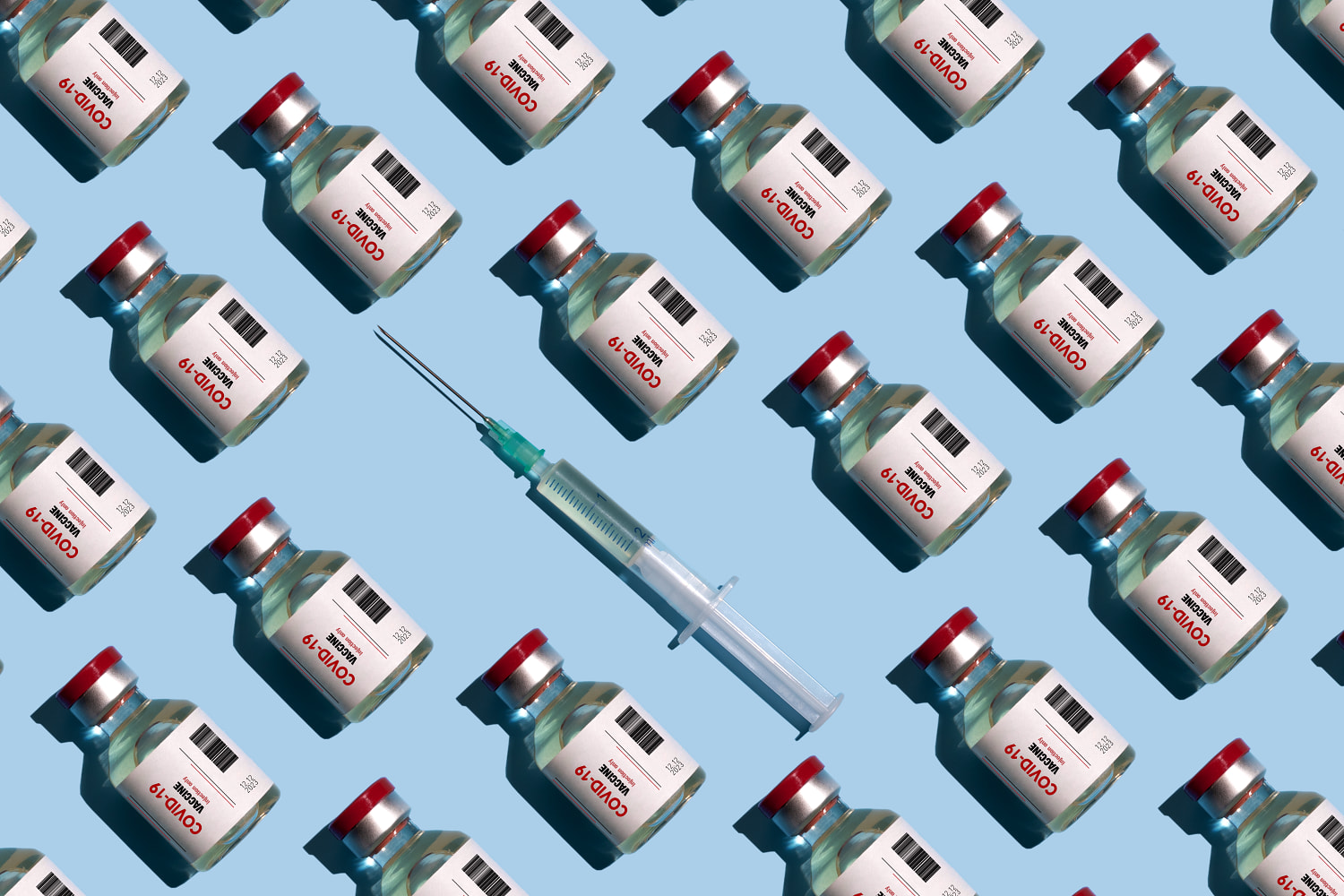
As the fall approaches, it’s time to think about respiratory virus season and how to protect yourself. COVID-19 cases are already rising in most parts of the country as a late summer wave sweeps across the United States.
Although the COVID activity is still low, nationally, infections are estimated to be growing in at least 27 states, according to data from the U.S. Centers for Disease Control and Prevention.
Fortunately, it’s not too late to get an updated COVID-19 vaccine to prevent severe illness and complications.
In August, the U.S. Food and Drug Administration approved the updated 2026-2027 COVID-19 vaccine formulations, signing off on four new shots to be rolled out this fall.
The updated vaccines all target the XFG variant, which has fueled the majority of COVID cases over the past year and is expected to keep circulating this fall and winter.
The step that usually follows FDA approval is the CDC issuing new guidelines, which dictate who should get the updated COVID vaccines and when — but this hasn’t happened.
The CDC has not made official COVID vaccine recommendations for the 2026-2027 season. That’s because the expert panel in charge of writing them, the Advisory Committee for Immunization Practices (ACIP), was sidelined this past spring.
The lack of federal guidance has created confusion, experts say — especially after the agency overhauled guidelines last fall, dropping its universal recommendation that everyone ages 6 months and older get the COVID vaccine.
To fill this void, leading medical groups — including the American Academy of Family Physicians, American Academy of Pediatrics, American College of Obstetricians and Gynecologists and the Infectious Disease Society of America — issued their own 2026-2027 respiratory vaccine recommendations for their patient populations.
The organizations emphasize that COVID-19 vaccines are safe and effective based on research and outline who should get them.
If you’re curious about the new shots but still have questions, you’re not alone.
Here’s everything we know about the new COVID-19 vaccines for the fall, including who should get them and when, side effects, and more.
Are the New COVID-19 Vaccines Available?
The updated 2026-2027 COVID vaccines are available and being rolled out at pharmacies, doctors’ offices and clinics nationwide, Dr. Albert Ko, professor of public health, epidemiology and medicine at Yale School of Public Health, tells TODAY.com.
The FDA has approved four new COVID shots for everyone ages 65 and older, and younger people with one or more underlying medical condition, says Ko. (Prior to 2025, the FDA had approved the shots for everyone.)
However, about half of U.S. children may not be able to access the shots at this time, per NBC News reporting. That’s because the federal government has not yet made the new COVID vaccines available through Vaccines for Children program, which provides immunizations to uninsured kids, those on Medicaid and more.
A spokesperson for the U.S. Department of Health and Human Services told NBC News in a statement, in part, that because COVID follows different seasonal patterns from the flu, “an arbitrary September date should not be treated as a public-health deadline for COVID-19 vaccine procurement.”
“CDC is finalizing decisions regarding COVID-19 vaccine procurement through the Vaccines for Children and Section 317 programs, and additional information will be available soon.”
Children who have health insurance or who can pay out of pocket for the shots are able to get them.
There are two types of vaccines available this year — mRNA and protein-based — which work in different ways to offer protection.
Moderna (mRNA)
- Spikevax: Approved for all adults ages 65 and older and people ages 6 months to 64 years with at least one underlying condition.
- Mnexspike: Approved for all adults ages 65 and older and people ages 12–64 with at least one underlying condition.
Pfizer BioNTech (mRNA)
- Comirnaty: Approved for all adults ages 65 and older and people ages 5–64 with at least one underlying condition.
These mRNA vaccines deliver messenger RNA, which directs our cells to create a harmless viral spike protein that triggers the production of protective antibodies, per the Mayo Clinic.
Novavax (Protein-based)
- Nuvaxovid: Approved for all adults ages 65 and older and people ages 12–64 with at least one underlying condition.
Protein-based (non-mRNA) vaccines deliver pieces of spike protein, plus an adjuvant to boost the immune system, so the body makes antibodies to fight off COVID, per the CDC.
“All of the new vaccines are safe,” says Ko.
Most insurers will cover the cost of COVID-19 vaccines, including Medicare and Medicaid, but always call and check with your insurance provider to confirm.
2026-2027 COVID Vaccine Eligibility
The FDA has approved the 2026-2027 vaccines for two groups: the elderly and people with medical conditions that put them at high risk for severe COVID. These include heart disease, lung disease, diabetes and asthma, says Ko.
What if you’re under 65 and don’t have a qualifying condition?Everyone who falls outside of the FDA approval criteria can still get a new COVID-19 vaccine, which is known as “off-label” use. But it does require extra steps.
Young, healthy people who want a vaccine can get one “after having a conversation with their healthcare provider, whether it’s a doctor, nurse or pharmacist,” says Ko. This is called shared clinical decision-making.
This eligibility “gray area” can be confusing, but the guidance around who should get vaccinated is clear, according to experts.
Who Should Get the New COVID-19 Vaccine?
“Everyone should be prepared to get the vaccine this fall, with a special emphasis on high-risk groups for severe disease,” Dr. William Schaffner, an infectious disease specialist and professor of medicine at Vanderbilt University Medical Center, tells TODAY.com.
In lieu of CDC guidance, leading medical groups have clearly outlined who should get the 2026-2027 COVID vaccine in their guidelines, published by the American Medical Association.
They recommend an annual, updated COVID vaccine for:
Children
- All infants and young children ages 6-23 months
- All children ages 2-18 years at higher risk of severe COVID
- Children ages 2-18 whose parents want them vaccinated
Adults
- All adults ages 19-64 years
- Immunocompromised adults
- Adults 65 years and older
- All pregnant women
- Healthcare workers
In addition to an annual COVID vaccine this fall, the groups recommend adults over 65 get a second dose six months after their first vaccine to boost protection, the AMA says.
Getting vaccinated is the best way to protect yourself from getting sick, becoming hospitalized or dying from COVID. “It keeps you out of the cemetery,” says Schaffer.
Vaccination is a safer and more reliable way to build protection against the virus than getting sick with virus, per the CDC.
“The people who are still being hospitalized because of COVID tend to be people in higher risk groups who are not up to date with their vaccine,” Schaffner adds.
However, everyone can benefit from getting vaccinated, says Ko. It can prevent you from feeling miserable for up to several weeks, and lower the risk of long COVID.
The bottom line? If you want a vaccine, talk to your doctor.
When Is the Best Time To Get the COVID-19 Vaccine?
The best time to get the new COVID vaccine is in the fall, sometime during September or October, the experts say.
It takes about two weeks after getting the shot for the body to develop antibodies and build full protection, per the CDC. Getting the shot in the fall allows your body to mount enough protection before the holiday season, when cases tend to peak.
The U.S. typically sees two waves of COVID every year, one during the summer and another in the winter, says Schaffner.
COVID cases are still rising across the country, so if you’ve tested positive recently, you’re not alone. However, that doesn’t mean you should skip the new shots.
If you’ve had COVID-19 recently, the CDC recommends waiting three months before you get a new updated vaccine.
“We will have an outbreak, I am quite sure, this winter,” says Schaffner.
How Long Does Protection Last?
The new COVID vaccines target the XFG variant, a descendent of the highly contagious omicron family. “XFG is what we’ve been suffering through for more than a year,” says Ko.
The updated shots are expected to provide protection from the strains circulating through the fall and winter.
However, immunity to COVID-19 — whether through vaccination or infection — does wane over time. Studies show the COVID vaccines are most effective during the first few months after getting the shot, per the Cleveland Clinic.
Generally, protection lasts up to six months — after this point, immunity will decline relatively quickly, according to the World Health Organization.
That’s why it’s recommended to get a booster dose six months after your first COVID vaccine, especially for high-risk groups.
COVID-19 Vaccine Side Effects
If you’ve gotten the COVID vaccine before, you know that it can cause some unpleasant side effects the next day or two.
Fortunately, these are usually mild and temporary. Any side effects are actually normal signs that the immune system is responding and the body is building protection, per the CDC.
Side effects from the 2026-2027 COVID vaccines may include:
- Redness at the injection site
- Arm soreness
- Fatigue
- Headache
- Low fever
- Joint pain
The experts emphasize that the symptoms of COVID infection are more severe, dangerous and lasting than the side effects from getting vaccinated.
Can You Get COVID and Flu Shots at the Same Time?
It is safe to get the COVID-19 vaccine and the flu shot at the same time, TODAY.com reported previously.
You can get both vaccines during the same appointment at your local pharmacy or doctors’ office.
“You can and should get both of them on the same occasion,” says Schaffner. If you’re concerned about soreness, you may want to get the shots in different arms.
In addition to getting vaccinated, Schaffner recommends taking other precautions to protect yourself and others from COVID-19:
- Wear a well-fitting mask in crowded, indoor settings.
- Test if you develop symptoms.
- Stay home if you have COVID.
- Avoid contact with sick people.
- Practice social distancing.