
High cholesterol has a way of sneaking up on you. But, by focusing on what you put on your plate, those small choices can add up to big improvements in cholesterol numbers.
While experts now agree that cholesterol in our food doesn’t directly impact cholesterol levels in blood, food choices still matter. And by opting for the right high-protein plant foods, you can make a significant impact on your cholesterol levels.
In particular, look for plant proteins with fiber — especially soluble fiber, says Natalie Rizzo, registered dietitian and TODAY nutrition editor.
“Soluble fiber binds to cholesterol and bile acids in the digestive tract, and removes them from the body with stool,” she explains. “Over time, eating the recommended amount of daily fiber can help lower LDL, or ‘bad,’ cholesterol.”
You can find fiber, including soluble fiber, in many types of plant foods, including fruit, vegetables, whole grains and legumes.
The No. 1 Plant-Based Protein to Help Lower Cholesterol
Beans
Beans are Rizzo’s top choice because they’re “an excellent combination of plant-based protein and soluble fiber,” she says. “That soluble fiber is particularly helpful for lowering LDL cholesterol.”
The beans with the most fiber are navy beans, which provide more than 9 grams of fiber per serving, TODAY.com explained previously. Black beans and red adzuki beans are just behind that, each containing around 8 grams of fiber per serving.
Beans are packed with filling protein as well as gut- and heart-healthy fiber. Plus, they’re affordable, versatile and easy to keep on-hand, Rizzo says.
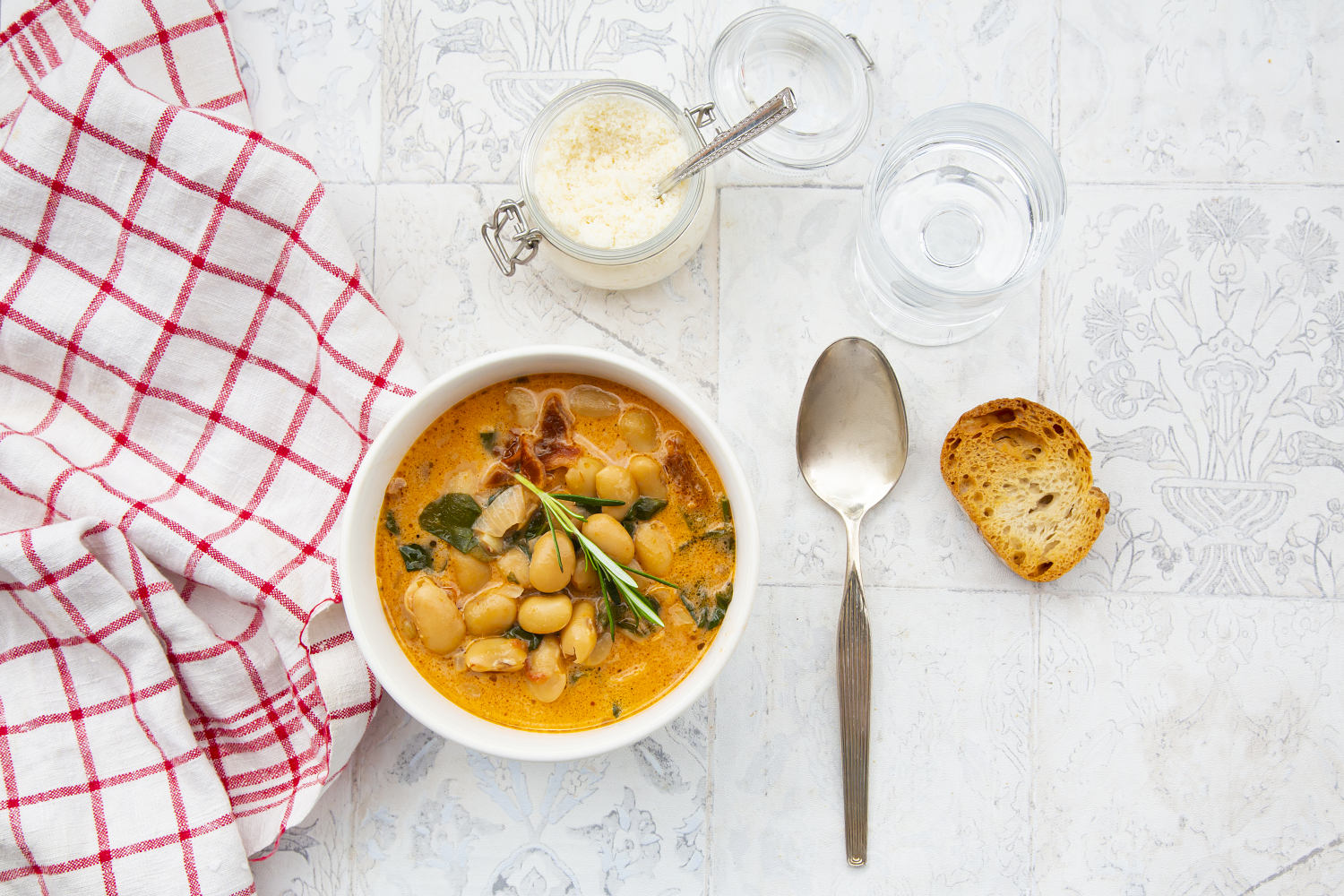
She likes to use them in quesadillas and tacos. You can also easily blend white beans into soups, dips and sauces for an added kick of fiber and plant protein.
Other Plant Proteins to Manage Cholesterol Levels
Lentils
Another star legume, lentils provide a healthy dose of fiber alongside plant protein. A half-cup serving of lentils will net you 9 grams of protein as well as 8 grams of fiber.
“They’re also naturally very low in saturated fat,” Rizzo says. “I especially like lentils because they cook relatively quickly and can easily replace some or all of the meat in a recipe.”
Lentils are, of course, excellent in soups and curries, Rizzo says, but she also likes to add them to salads and pasta sauces.
Nuts
Fiber is the star when it comes to lowering cholesterol, but heart-healthy unsaturated fats are an important component of your diet, too, Rizzo says. “Replacing foods high in saturated fat with foods rich in unsaturated fats can help lower LDL cholesterol,” explains Rizzo.
She recommends nuts, especially almonds and walnuts, because “they can replace foods higher in saturated fat, like nut butter instead of butter on toast,” she says. “They’re calorie-dense, but that doesn’t mean you need to avoid them. A handful handful of nuts is generally a satisfying serving,” she adds.
Rizzo loves to add nuts to oatmeal, yogurt and salads, or snack on them on their own. She’s also a fan of nut butters on toast, in smoothies or with fruit. “They’re an easy way to add protein and heart-healthy fats without having to cook anything,” she says.